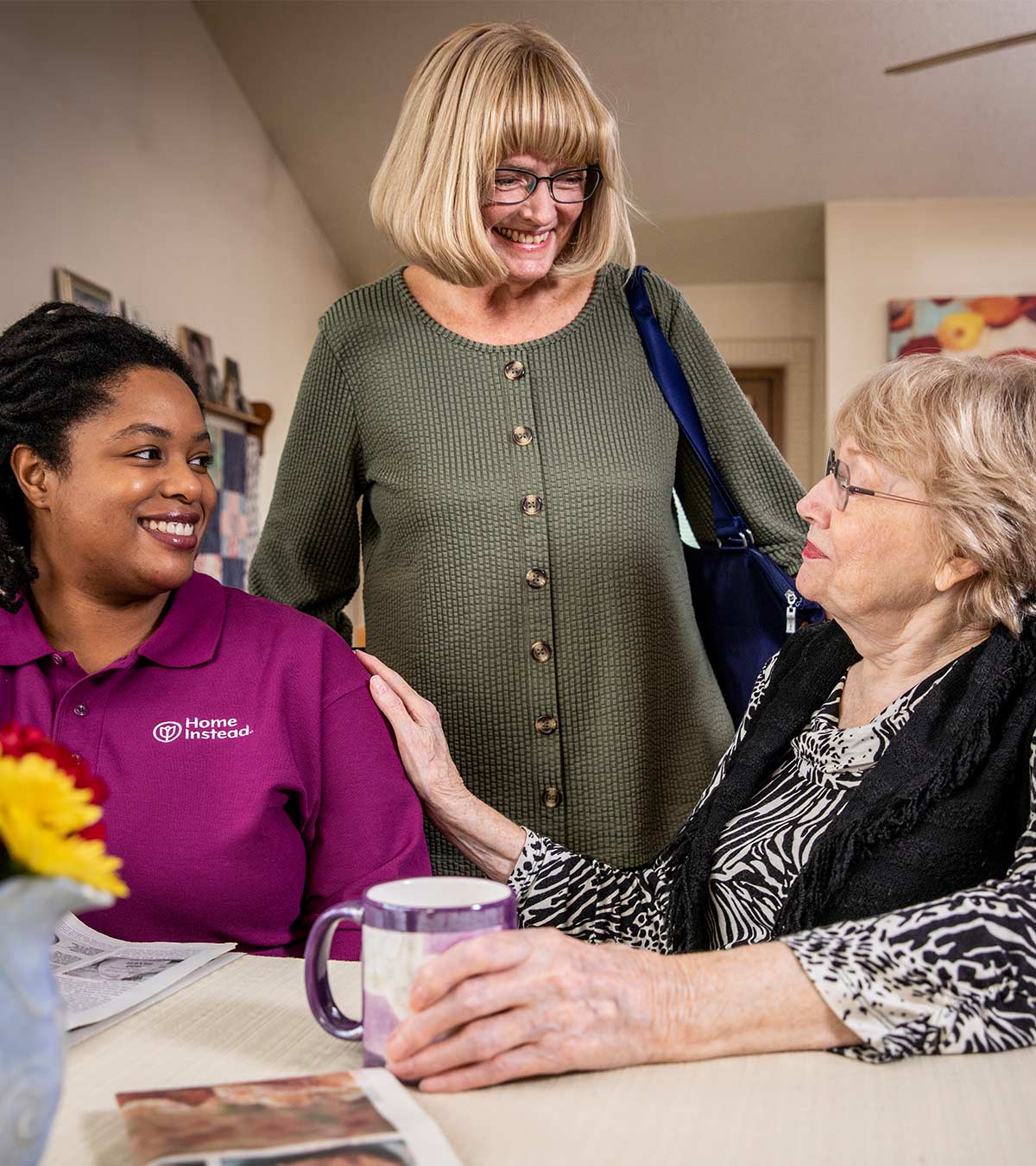
Mental Deterioration Treatment Techniques to Boost Daily Living
The intricacies of dementia require tailored care techniques that enhance daily living for influenced people. Carrying out organized routines not only reduces confusion but likewise fosters a sense of safety and security. Complementing this with memory help can significantly promote autonomy, while reliable communication strategies are essential for psychological connection. Additionally, motivating both physical and mental activities plays a vital role in general health. Nonetheless, the obstacle depends on integrating these methods effortlessly into everyday life, prompting the expedition of innovative methods that can additionally boost the quality of treatment given.
Understanding Mental Deterioration and Its Influence
Comprehending dementia calls for a gratitude of its diverse nature and extensive influence on people and their households. Dementia is an umbrella term incorporating different neurodegenerative problems, mostly characterized by cognitive decline, memory loss, and impaired reasoning. Alzheimer's condition, vascular dementia, and Lewy body mental deterioration are amongst the most common types, each providing one-of-a-kind signs and development patterns.
The diagnosis of mental deterioration not just influences the individual yet likewise imposes considerable emotional and useful difficulties on caretakers and relative. As cognitive functions weaken, people may experience confusion, stress and anxiety, and adjustments in habits, which can increase caretaker anxiety and bring about feelings of seclusion and vulnerability.
Moreover, mental deterioration can modify familial characteristics, needing changes in functions and responsibilities. As the condition advances, families frequently deal with difficult conversations pertaining to care decisions, monetary planning, and end-of-life considerations. Comprehending these dimensions is essential for developing effective support group and interventions. By fostering understanding and empathy, caregivers and family members can much better browse the complexities of dementia, ultimately boosting the high quality of life for both the impacted people and their loved ones.
Creating a Structured Regimen

(Charlotte Assisted Living)In addition, a structured routine can help in protecting cognitive function. By organizing everyday jobs, caregivers can encourage individuals to take part in familiar activities, which can stimulate memory recall and cognitive engagement. This can likewise enhance social interaction, as routines typically integrate group tasks, advertising connections with household and caretakers.
Additionally, routines can optimize daily living by incorporating vital self-care jobs, such as dishes, hygiene, and exercise, at details times. This not just makes sure that individuals get appropriate care but also imparts healthy practices - Memory Care. In general, an organized regimen is a crucial strategy in mental deterioration care, as it improves lifestyle, advertises independence, and promotes a supportive setting that caters to the unique requirements of individuals with mental Dementia Care Charlotte deterioration
Using Memory Aids Effectively
Structure on the benefits of a structured regimen, memory aids play a significant role in supporting individuals with mental deterioration. These devices can improve the person's capability to remember information, handle everyday jobs, and preserve a feeling of independence. Efficient memory help include visual hints, created pointers, and electronic tools, which can be customized to suit private choices and demands.
Aesthetic cues, such as labeled photos or color-coded graphes, can aid people identify familiar people and locations. Basic, clear signs within the home setting can also assist in navigating everyday tasks. Composed suggestions, such as checklists or schedules, can work as prompts for essential tasks like medication routines or visits.
Additionally, technology offers innovative services, including mobile phone applications created to send out informs and reminders. These electronic devices can be specifically advantageous for younger people with mental deterioration that might be extra comfortable with technology.
Including these memory aids into everyday life needs cooperation amongst caretakers, relative, and the person. By fostering an atmosphere rich in helpful tools, caregivers can considerably improve daily living and boost the lifestyle for people living with dementia.
Enhancing Interaction Abilities
Efficient communication is essential for cultivating significant interactions with people dealing with dementia. Memory Care. As cognitive capacities decline, discovering ways to link comes to be increasingly vital. Making use of clear and easy language is critical; caretakers must avoid complicated sentences and jargon. Instead, choosing short, straight statements assists facilitate understanding.
Non-verbal signs play a substantial role in interacting with people with dementia. Caregivers must bear in mind their faces, gestures, and intonation, as these components can convey compassion and confidence. Maintaining eye get in touch with and supplying physical closeness can also improve link and involvement.
In addition, employing the method of energetic listening is crucial. This involves providing the specific sufficient time to react, demonstrating persistence, and confirming their sensations. Repetition may be needed; caretakers need to be prepared to revisit topics or questions without displaying frustration.
Creating an atmosphere that lessens diversions can better boost communication. Reducing background noise and guaranteeing a calm atmosphere enables individuals to focus more on the interaction at hand. Inevitably, the objective is to develop an encouraging ambience where people with mental deterioration really feel recognized, valued, and valued, therefore boosting their general lifestyle.
Supporting Physical and Mental Involvement
Involving people with mental deterioration in both physical and mental tasks is vital for enhancing their general well-being and preserving cognitive function. Normal exercise, tailored to the individual's capacities, can enhance wheelchair, decrease the threat of drops, and promote far better sleep patterns. Simple workouts such as walking, extending, or perhaps dancing can boost the body and mind, promoting a sense of success and pleasure.
Psychological interaction is equally crucial. Activities that test cognitive skills, such as problems, card games, or memory workouts, can help keep brain wellness. Motivating engagement in innovative pursuits like painting, songs, or storytelling can give emotional expression and social communication, which are important for psychological health and wellness.

Conclusion
Developing organized routines, employing memory help, and boosting interaction skills substantially add to reducing stress and anxiety and complication amongst people with dementia. Executing these methods develops an environment that supports the distinct requirements of people with mental deterioration, inevitably boosting their quality of life and independence.